
Paul Pogba Finds His Center
In an exclusive interview with @Muslim, the World Cup winner reflects on Islam, identity, and the faith that has carried him through football’s greatest highs and hardest seasons.
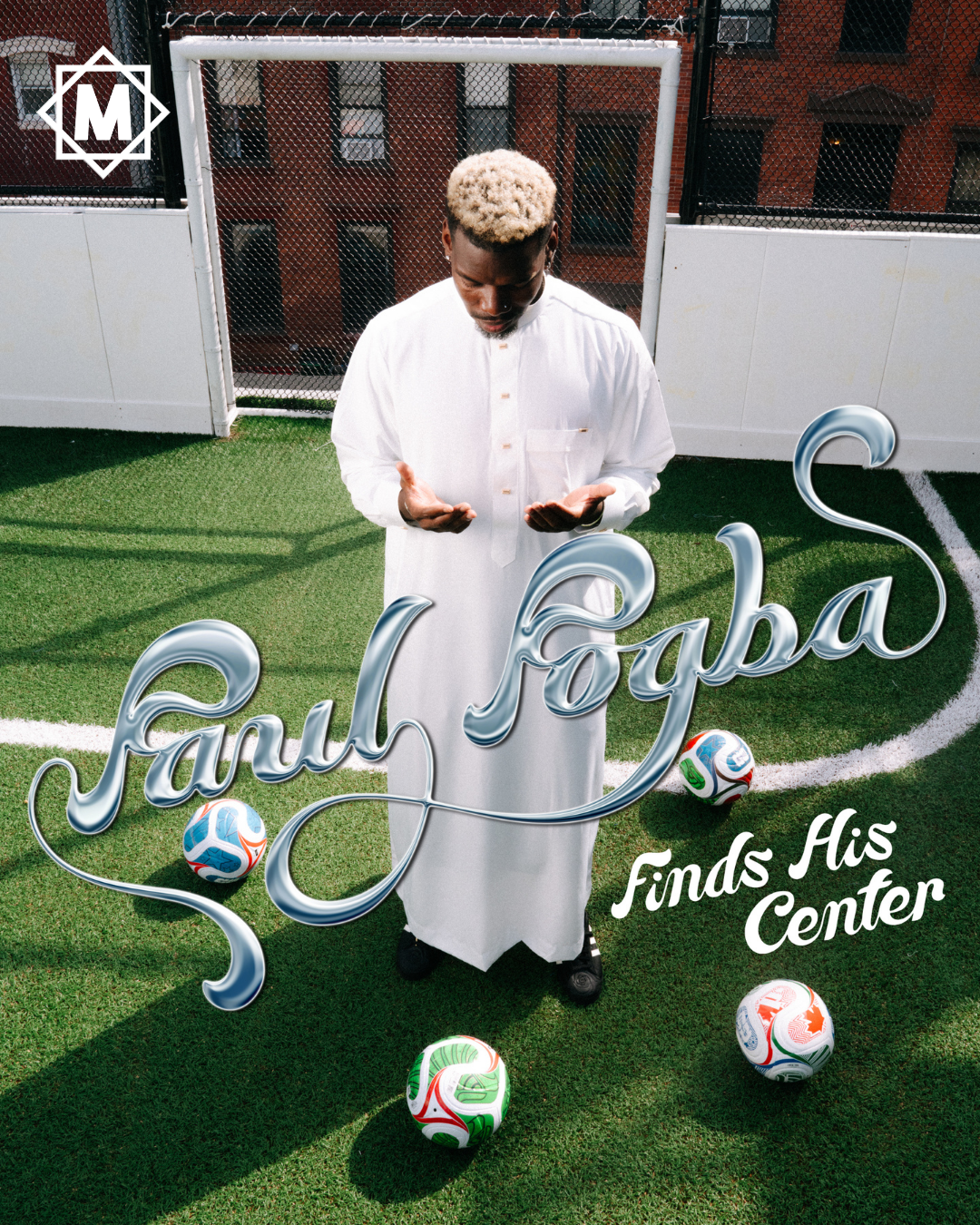
There’s a moment in every athlete’s career where the achievements stop being the headline.
For Paul Pogba, World Cup winner, one of the most talked-about midfielders of his generation, a man who has been adored and dragged through the press in equal measure, that moment didn’t arrive on a pitch. It arrived in sujood.
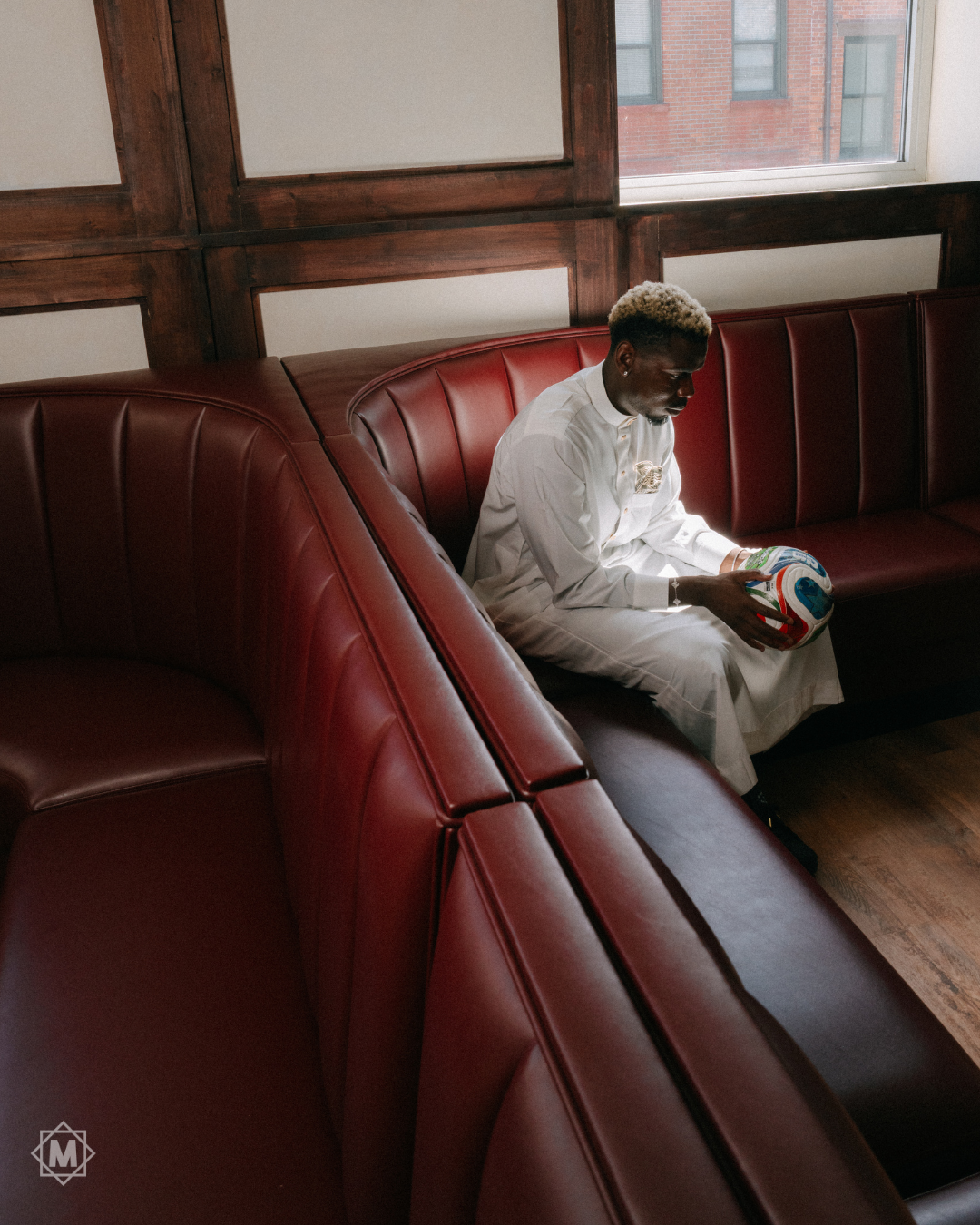
He’s settled into the couch now, head tipped down, a ball turning slowly between his fingertips. “When you’re in sujood, this is the perfect connection between you and Allah,” Pogba tells me. “When I score a goal, I do it. In a moment of success, when you’re really happy, I like to remember that He’s my creator and I have to thank Him first.”
It’s a small detail that’s followed him through some of football’s biggest stages: the forehead to the grass after a goal, the stillness in the middle of all that noise. Most people watching read it as a celebration.
For Pogba, it’s his whole purpose. It was his center.
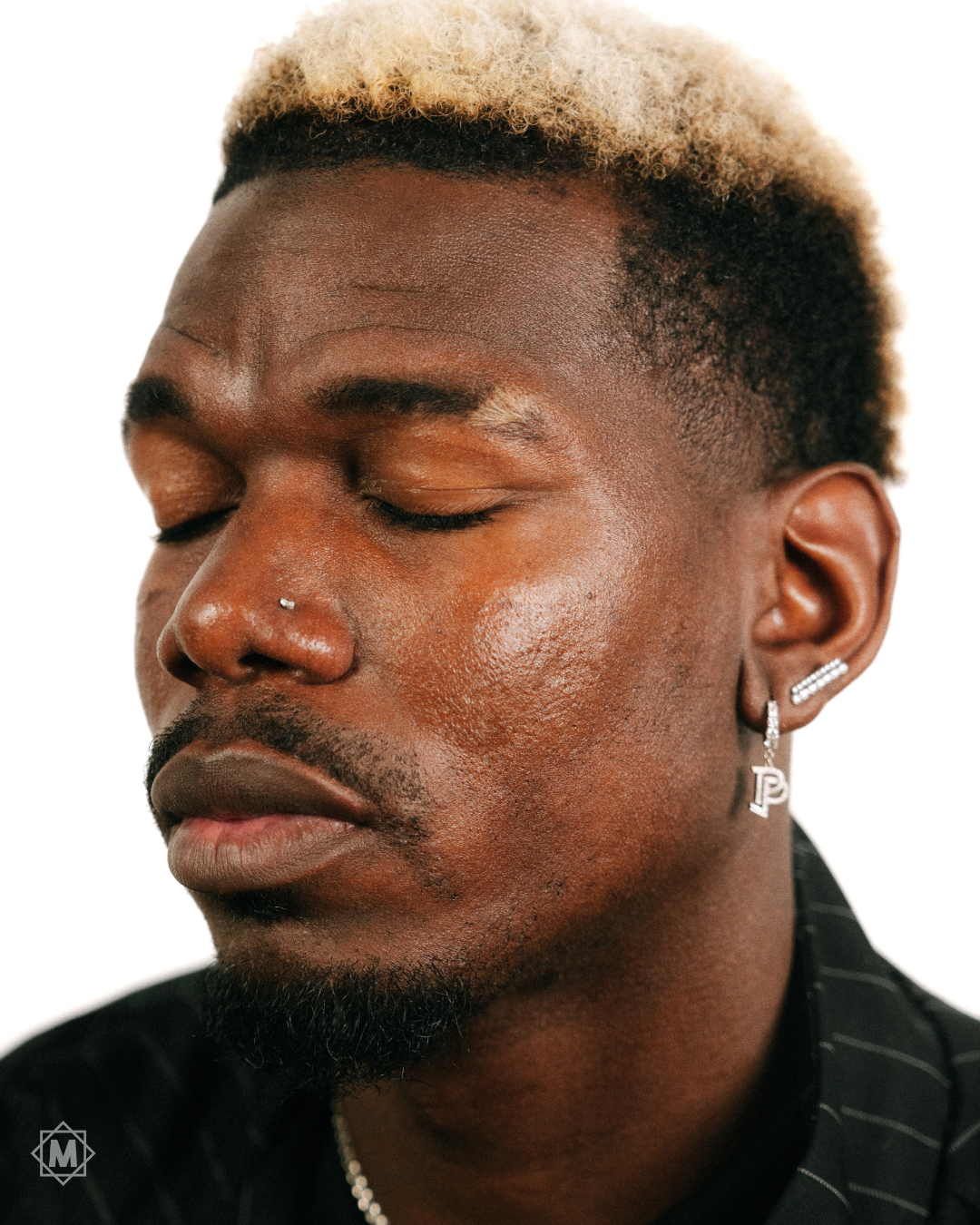
“I’m a happy person that enjoys life, that is blessed, that is religious, that is a believer, and that wants to be a good ambassador of Islam.”
Pogba reverted to Islam at 18, raised between two faiths in a household that, in his words, “just let us choose.” His mother was Muslim. His father wasn’t. An uncle who lived with them kept Ramadan in the house. And later, in Manchester, it was someone unexpected who helped him lock in: his barber.
“I had my barber that was Muslim, so I used to go and cut my hair there and listen to him giving me talk about life and everything,” Pogba says. “He gave me some CDs to understand Islam.”
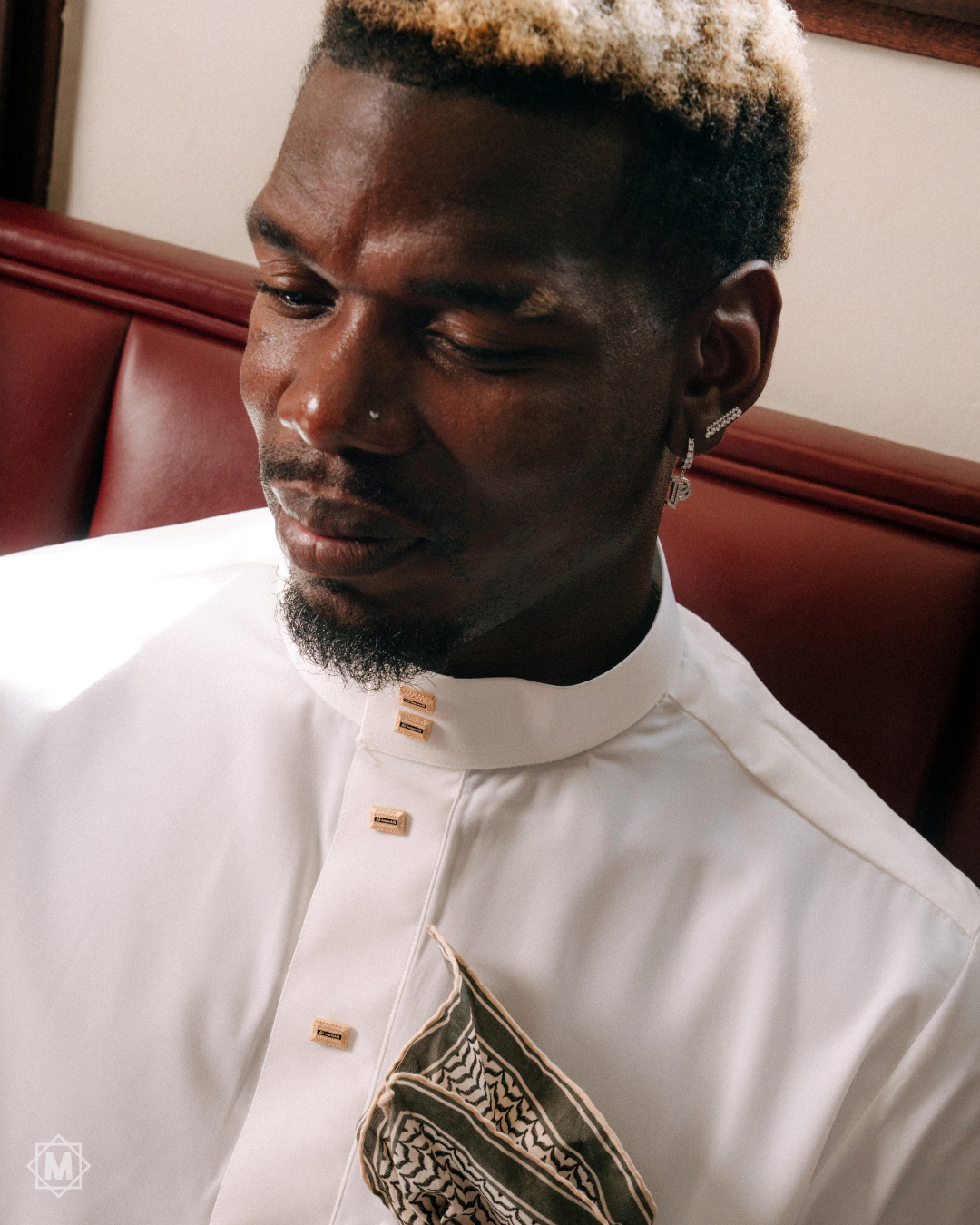
The barber’s name was Gaza. Somali, not Palestinian, Pogba clarifies with a laugh while wearing a keffiyeh tucked into the pocket of his thobe, just a name. But the role he played was anything but small.
“I revert to Islam when I was 18. That’s when I’ve made the best choice of my life.”
What followed wasn’t a straight line to peace. Pogba has spent his career navigating the intense public spotlight throughout his career, with his sights set on a higher goal, praised, then picked apart, then praised again, his every haircut and headline turned into a storyline he never asked to star in.
Asked how he stays rooted to his faith while being tested so publicly, his answer doesn’t flinch.
“When you’re with Allah, you have everything. When you’re without Allah, you have nothing,” he says.
“Everything that happens in this dunya is short. It will come and go. With Allah, it’s forever. I don’t even look in the media. I don’t know the people, they don’t know me.”
That same grounding shows up in how he talks about success, a word he’s been handed his entire adult life, often before he was ready for it. “Islam taught me to be humble first of all with success, that everything comes and goes, and that’s not the ultimate goal,” he says.
“Alhamdulillah, Allah gave it to me, and I will be tested by that also. When you’re successful, you can become arrogant, you can become greedy. Islam teaches Muslims to be humble. This life is just for a short time. It’s temporary.”
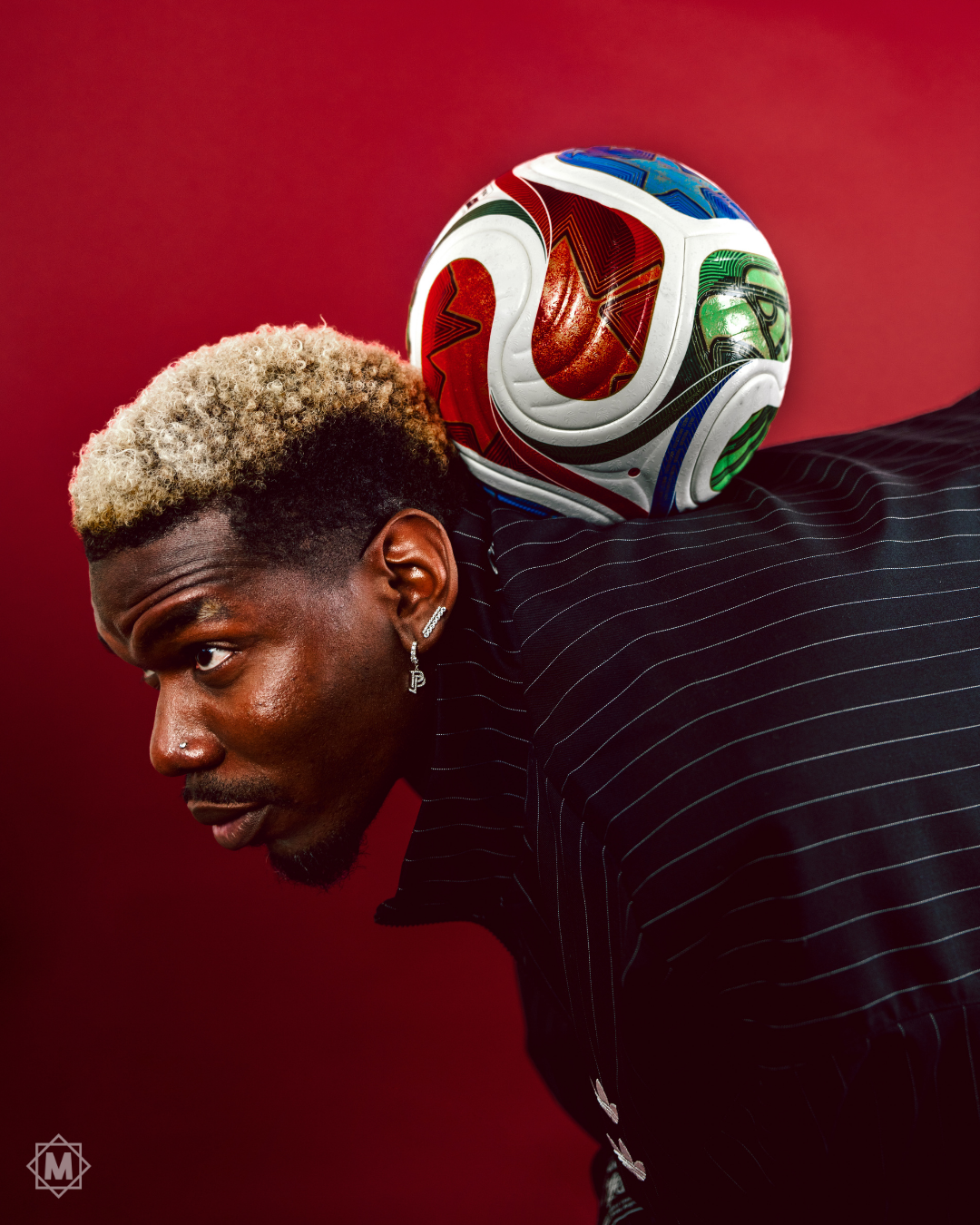
There’s a discipline underneath all of it that has nothing to do with training. Pogba says he recites the last three surahs of the Qur’an before each match as a necessity for spiritual survival rather than mere ritual. “I always make dua before the game. Otherwise I don’t feel protected, I don’t feel confident,” he says. “There is evil eye also. I want to protect myself from all the bad eyes,” he says with a smile.
For Pogba, excellence on the pitch carries a deeper purpose. “I can give a good image for the people watching. I can be an example for the Muslims, for the kids. I hope I can be the greatest on the pitch that shows a Muslim is the best on the pitch.”
He’s been to Makkah for Umrah six times, he says, not yet for Hajj, “insha’Allah,” and the first trip came right after losing his father. “Every time it was different,” he says quietly. “Alhamdulillah. All good feelings.”
When asked which surah stays with him most, he doesn’t hesitate. Surah Yusuf. “It explains the story of Prophet Yusuf (alayhi salam) for every Muslim. When you see his life, with everything that happened to him, everything that happens to you in this dunya is nothing. Prophet Yusuf, Prophet Muhammad (sallallahu alayhi wasallam), they had the hardest test, the hardest hardship in the world. When something happens to me, I’m like, this is nothing compared to the prophets.”
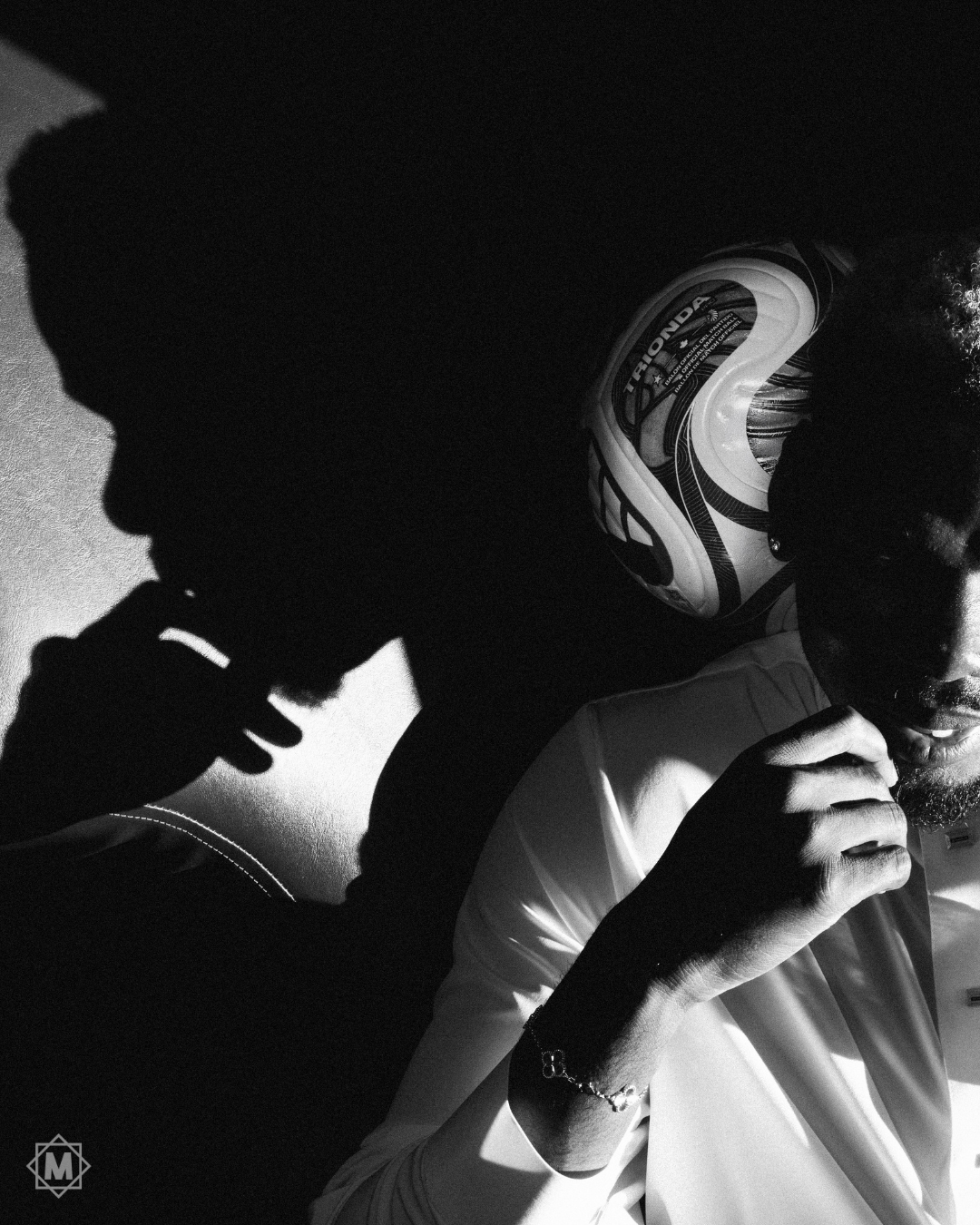
It’s that perspective, pulled from scripture and not from a sports psychologist, that seems to hold him together. And by the end of the conversation, what Pogba wants to leave behind isn’t a highlight reel. It’s a reminder.
“To the brothers and sisters, always keep having faith in Allah, because Allah has faith in you,” he says.
“Allah is always there. Doesn’t matter what you’re doing, what you’ve done. If right now you’re in your sin, Allah is the most merciful. Just go back to Him and you will be fine. When you have Allah in your life, you have everything. If you don’t, you have nothing.”
He pauses, then brings it all back to the truth at the center of his life:
“This life, we enjoy it, you have to enjoy it. But that is not the ultimate place.”
Watch Paul Pogba answer 7 Spiritual Questions, full video interview now live on @Muslim’s YouTube.
